Location & Interactive Map
The research area encompasses four unique rock art locations along the Iskar River Valley in Western Bulgaria.
Discover the Secrets of Ancient Rock Art
Imagine spending three weeks in the spectacular Balkan Mountains, exploring caves and rock shelters along the Iskar River while learning how archaeologists uncover, document and preserve traces of the distant past.
This is not simply a summer course in archaeology. It is a hands-on educational experience in one of Bulgaria’s most fascinating mountain regions, where dramatic gorges, caves, hiking trails and ancient monuments create a unique setting for fieldwork and discovery.
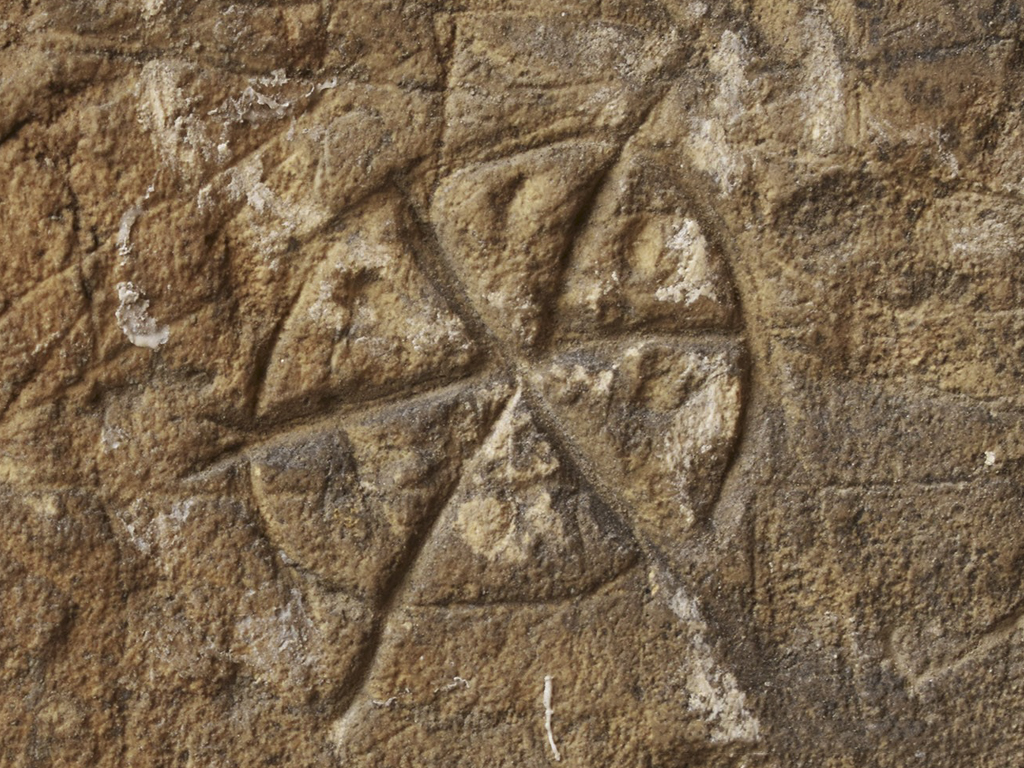
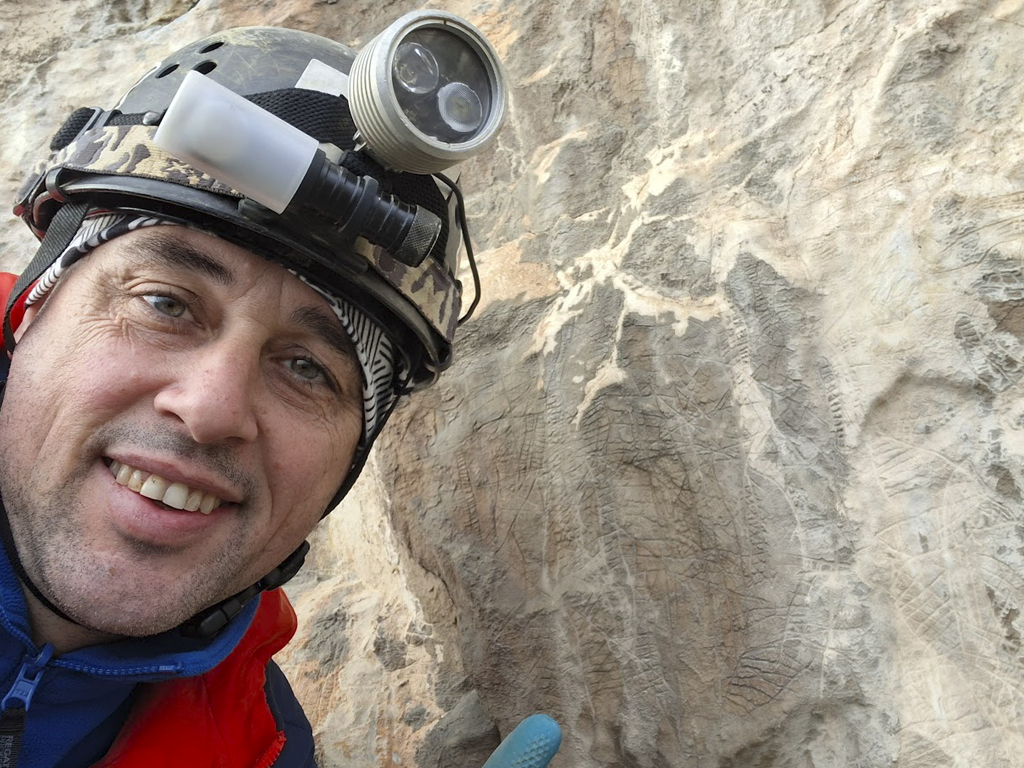
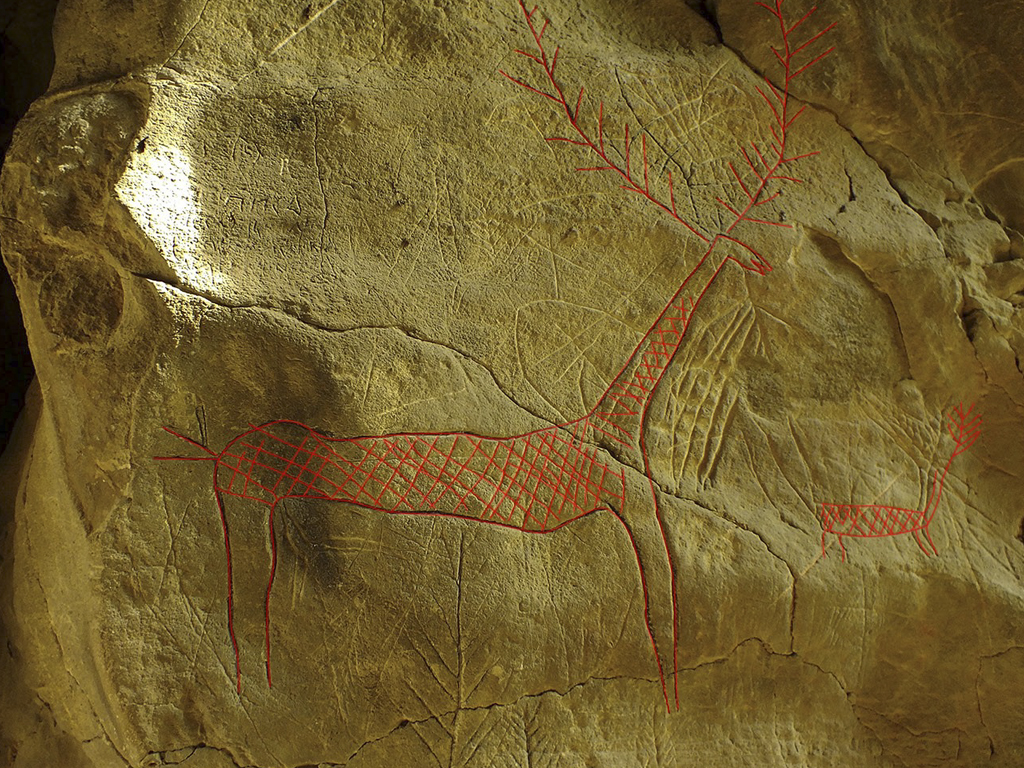
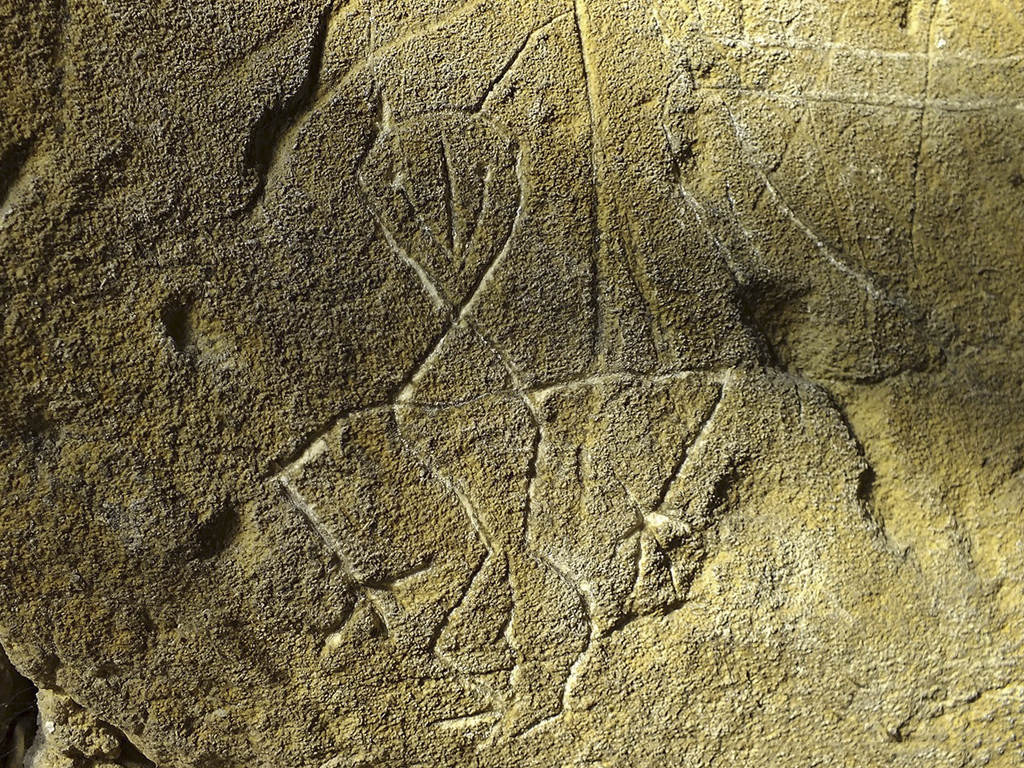
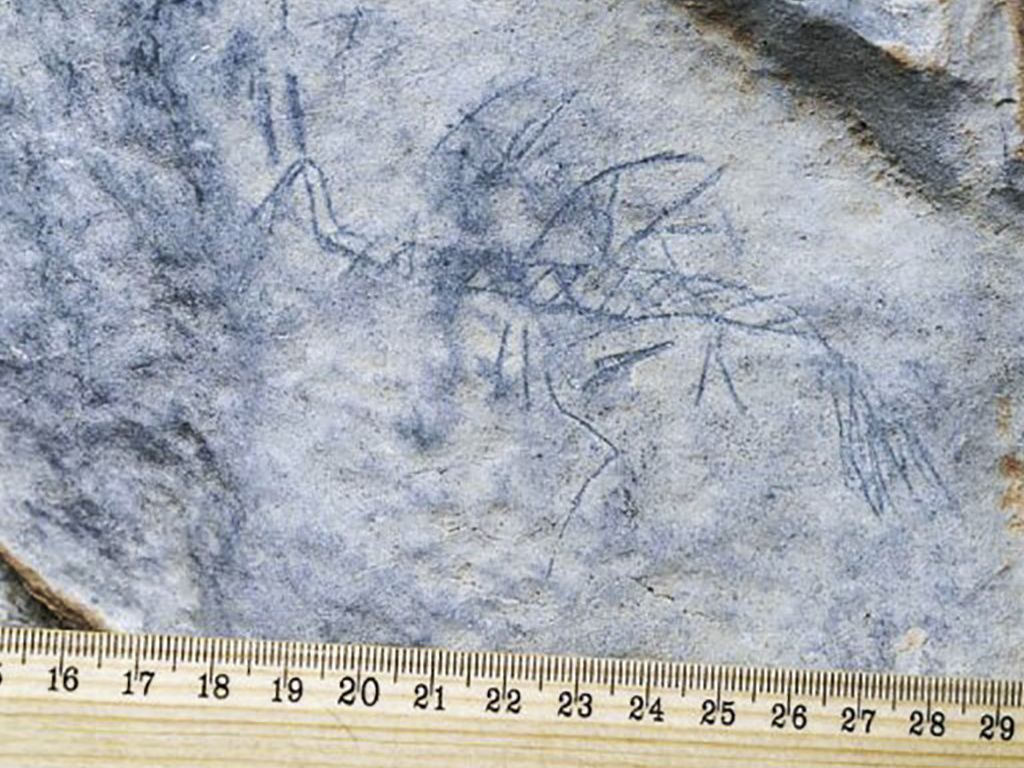
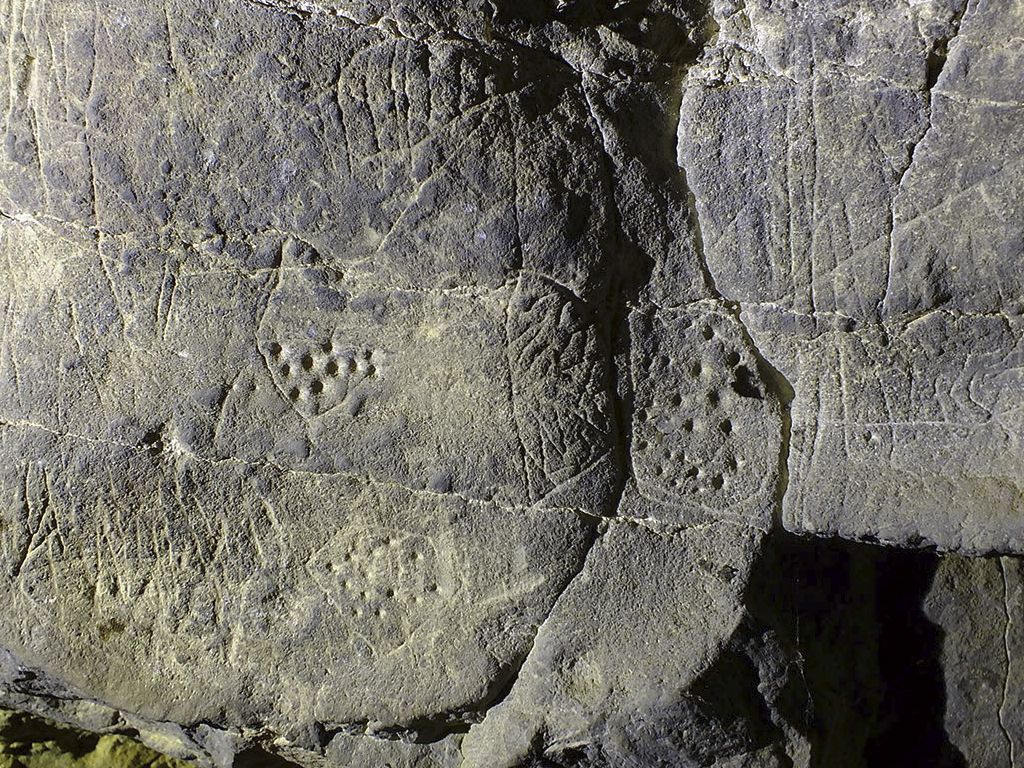
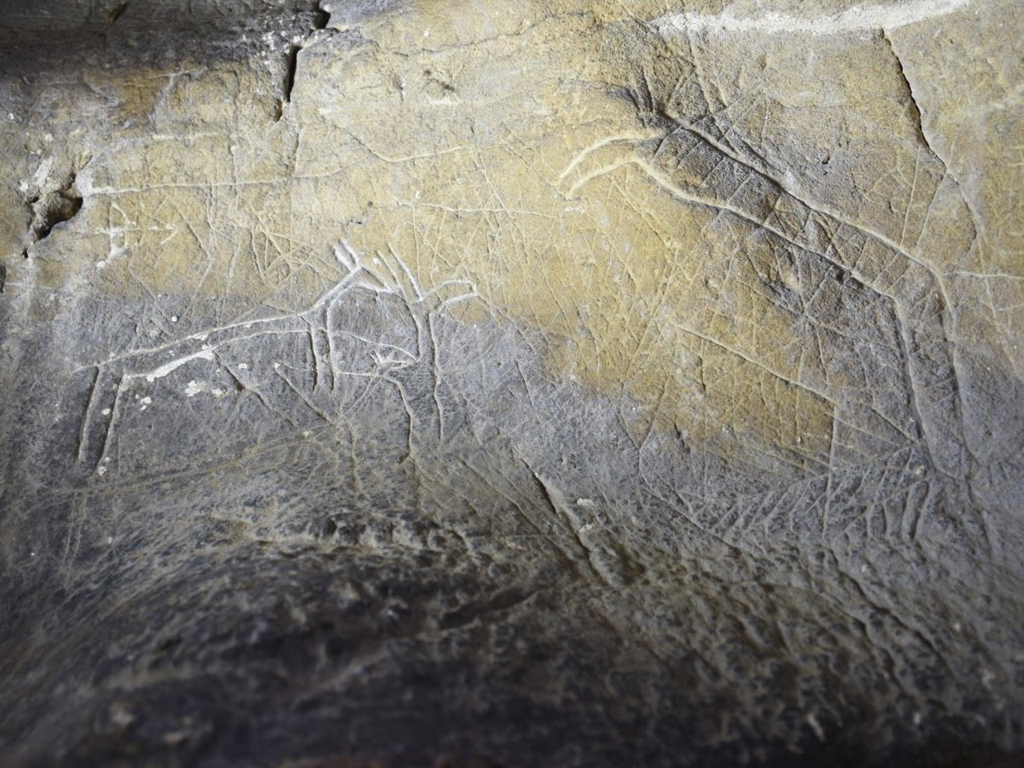
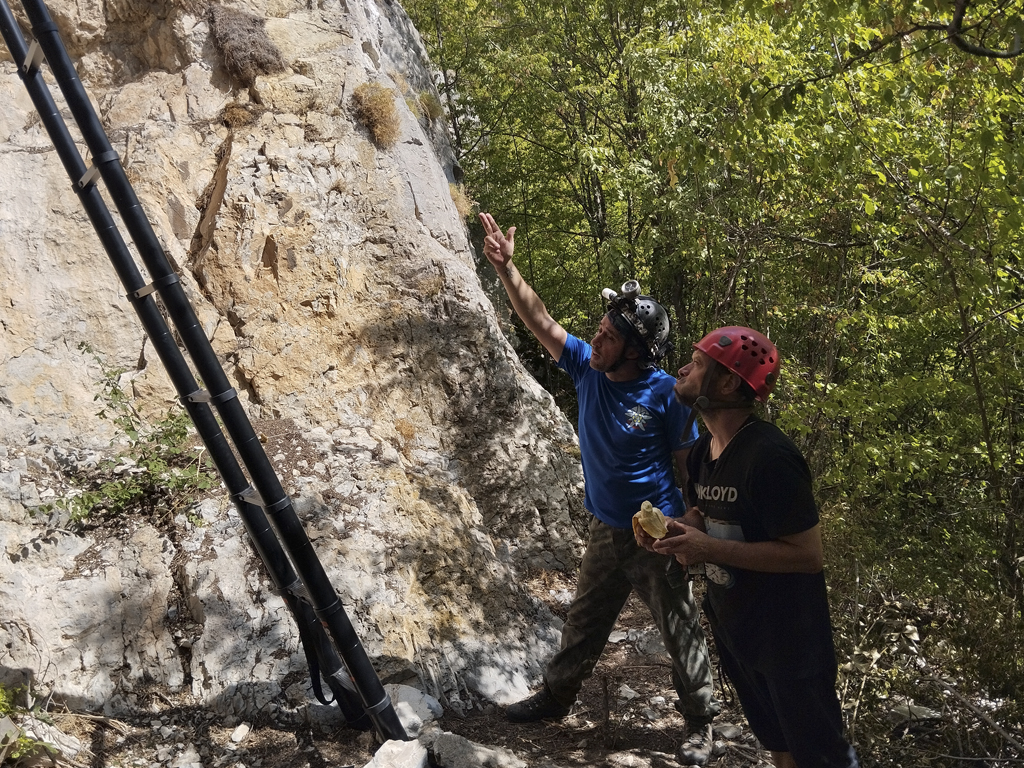
During the course, you will work directly with ancient petroglyphs and prehistoric rock paintings, some of which have remained little studied for decades. More than 200 engravings have already been documented in the caves near Tsarevets alone, while new sites continue to be discovered along the Iskar Valley.
You will learn practical archaeological skills that are rarely taught together: cave surveying and mapping, archaeological documentation, digital processing, classification, and the basic principles of conservation and restoration. Under the guidance of specialists, you will not simply study archaeological discoveries—you will contribute to their documentation and preservation.
And when the working day is over, the Iskar Gorge becomes your classroom for adventure: hiking through the Balkan Mountains, exploring caves, visiting ancient fortresses and churches, discovering spectacular rock formations and experiencing one of Bulgaria’s most beautiful mountain landscapes.
Learn archaeology. Explore the mountains. Help uncover a forgotten part of Europe’s ancient heritage.
Reading Background & Academic Literature
Field School Official Poster
Promotional & informational poster for the Prehistoric Cave Art Summer School (PDF format).
Ovcharov, D., 1982. Bulgarian Medieval Graffiti Drawings. Sofia.
Monograph on Bulgarian Medieval Graffiti.
N. Ovcharov, 2021, The Rock Art and Runiform Calligraphy from Pagan Cave Temples Near Tsarevets
Monograph on runiform scripts and rock engravings near Tsarevets.
Ovcharov, N. & Khristov, K. Rock art from the caves near Tsarevets, Vratsa region. Part 1.
Study on rock art and petroglyphs near Tsarevets (Part 1).
Ovcharov, N. & Khristov, K. Rock art from the caves near Tsarevets, Vratsa region. Part 2.
Study on rock art and petroglyphs near Tsarevets (Part 2).
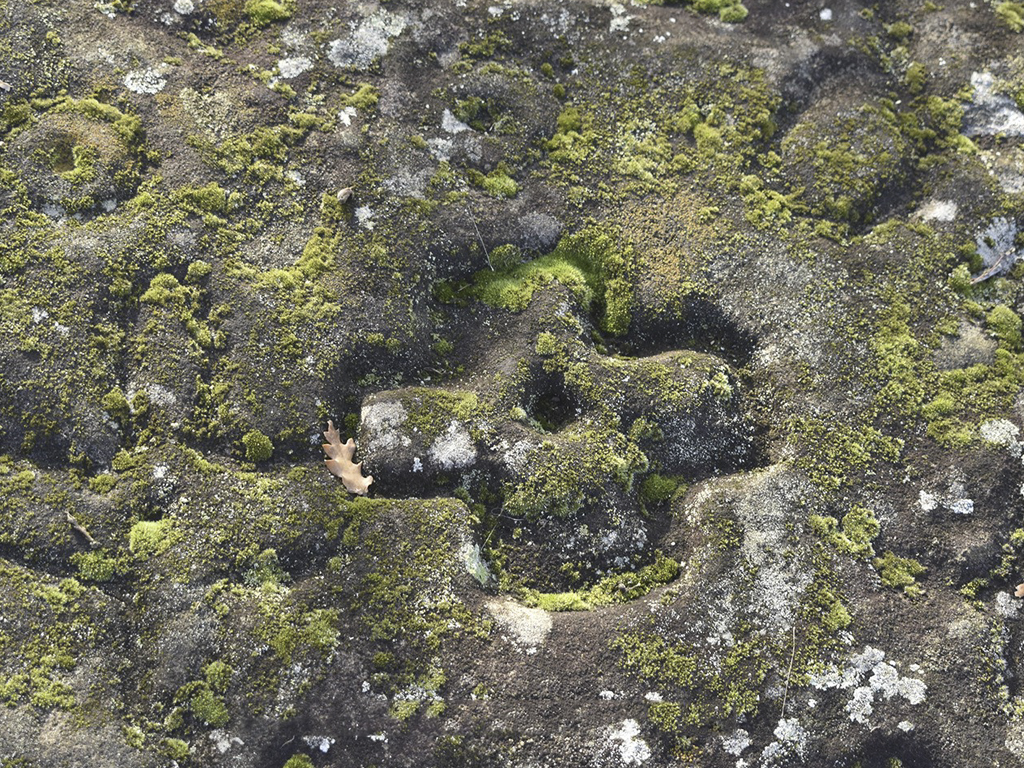
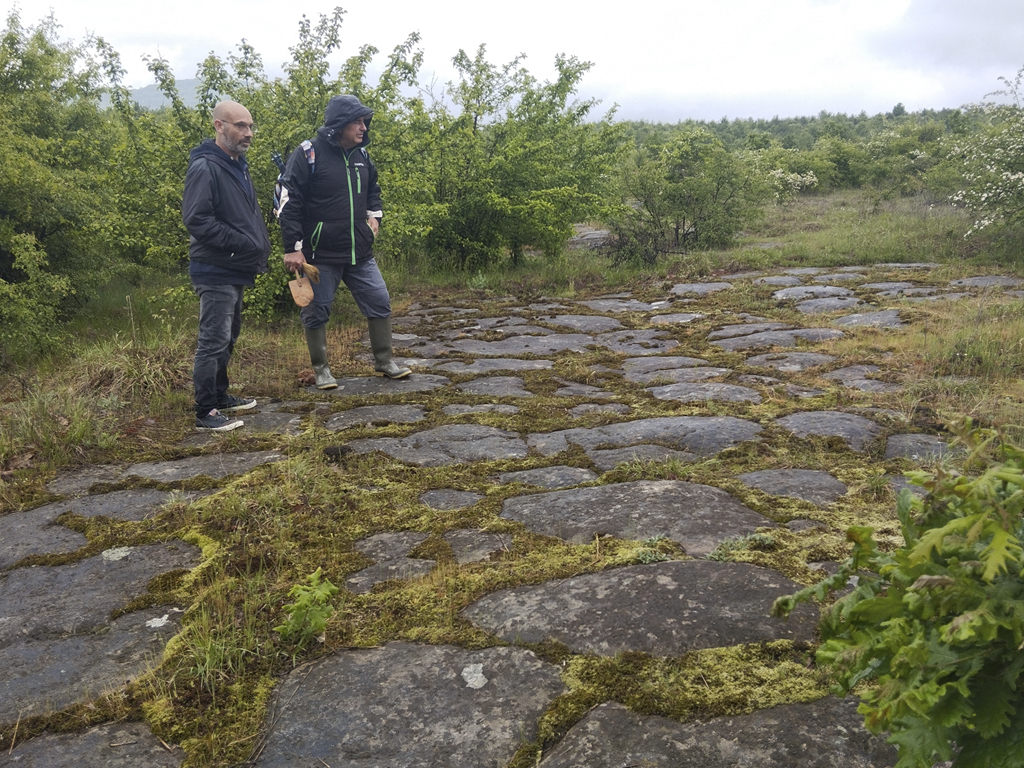
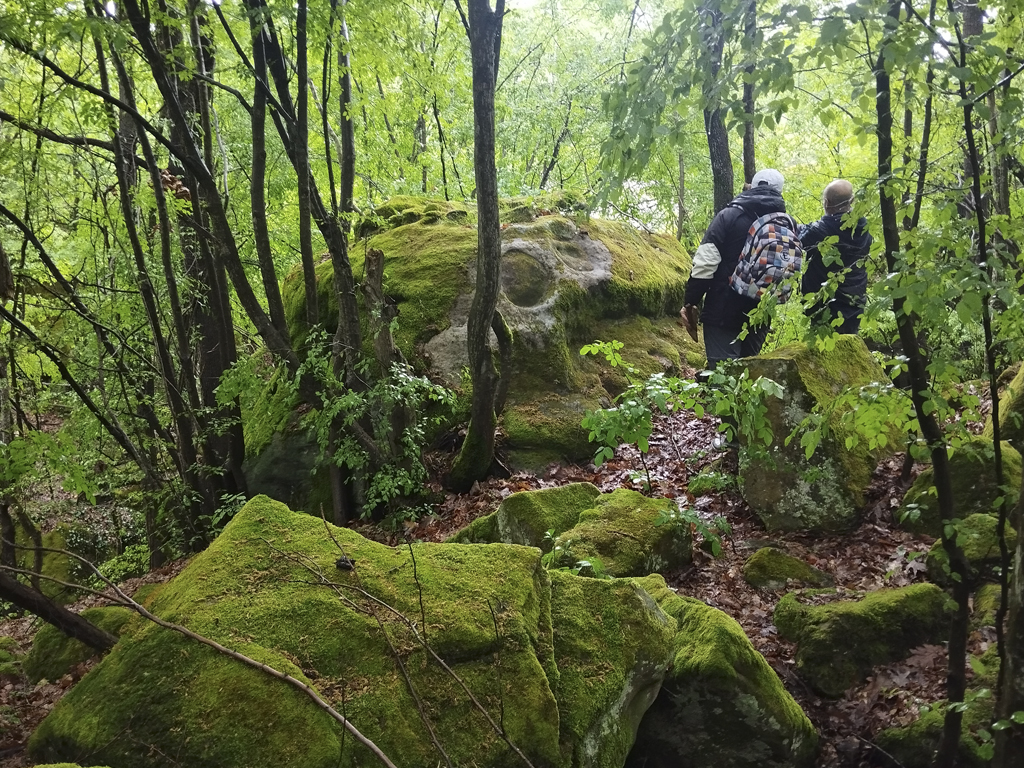
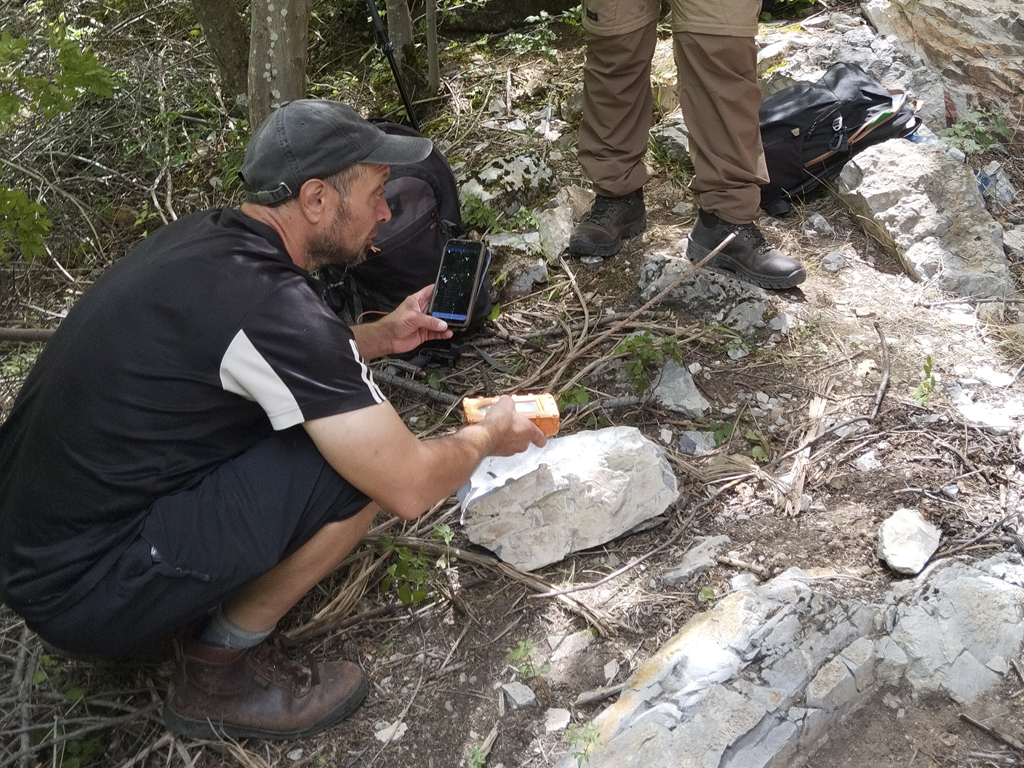
Petroglyphs & Sites Gallery
Project Description & Course Modules
The present course is part of a large-scale interactive project aimed at investigating and bringing into the scientific domain the ancient petroglyphs and rock paintings along the Iskar River. The project combines a range of activities, including surveying, conservation and restoration of the ancient paintings, archaeological documentation, and classification.
The aim is to document as accurately as possible all ancient monuments known to date, which have been identified at four different locations near the villages of Tsarevets, Oslen Krivodol, Zasele, and Breze. All four sites are located along the Iskar River, the longest river in Bulgaria (368 km), which forms a remarkable canyon known for its distinctive karst rock formations.
As the number of petroglyphs is very large – more than 200 have been documented in the caves near Tsarevets alone – the project will continue over the next several years. At this initial stage, it is particularly important to take measures for their preservation and protection. Therefore, an experienced conservator-restorer will also be part of the team and will carry out emergency conservation work at the sites.
1. Cave Surveying and Mapping
- Use of laser rangefinder, compass, and inclinometer
- Installation of temporary, eco-friendly survey markers
- Measurement of vectors (distance, azimuth, inclination)
- Cross-sections measurement (LRUD)
- Data entry into Therion, Compass, and Walls
- Georeferencing of cave spaces and rock surfaces
2. Emergency Conservation & Restoration
- Emergency stabilization of rock environment & access routes
- Consolidation via injection of biocompatible binders (ethyl silicates / lime suspensions)
- Consolidation of detached or delaminating rock fragments
- Removal of aggressive biological agents and harmful deposits
- Field chemical testing and surface safety evaluation
3. Archaeological Documentation
- Identification & sectoring of petroglyph groups
- Correlation with geodetic survey markers
- Contact tracing on transparent plastic sheets using specialized markers
- High-resolution photogrammetry and graphic processing
- Typological classification and table creation
20-Day Course Schedule
Arrival and check-in at the Youth Eco Camp base in Ochin Dol. Welcome meeting and briefing.
8:30 AM Breakfast • 9:30 AM Visit to ancient "Kaleto" fortress (Mezdra) and Cherepish Monastery • 1:30 PM Lunch at "Dyado Yotso" complex • 2:30 PM Walk along the Heritage Trail in Ochindol • 7:30 PM Dinner.
Practical field training in laser rangefinding, vector mapping, and cave surveying techniques. Afternoon laboratory digitization and software training (Therion/Walls).
Theoretical lectures and field conservation work on selected petroglyphs. Practical laboratory training in stone, ceramic, and metal artifact restoration.
Rest, relaxation, and independent or guided excursions around Vrachanski Balkan Nature Park.
Fieldwork documenting rock carvings near Oslen Krivodol. Afternoon digitization, graphic vector tracing, and typological classification.
Fieldwork on petroglyphs near Skaklya Waterfall in Zasele. Afternoon computer processing, classification, and graphical cataloging.
Mid-session break for rest and personal activities.
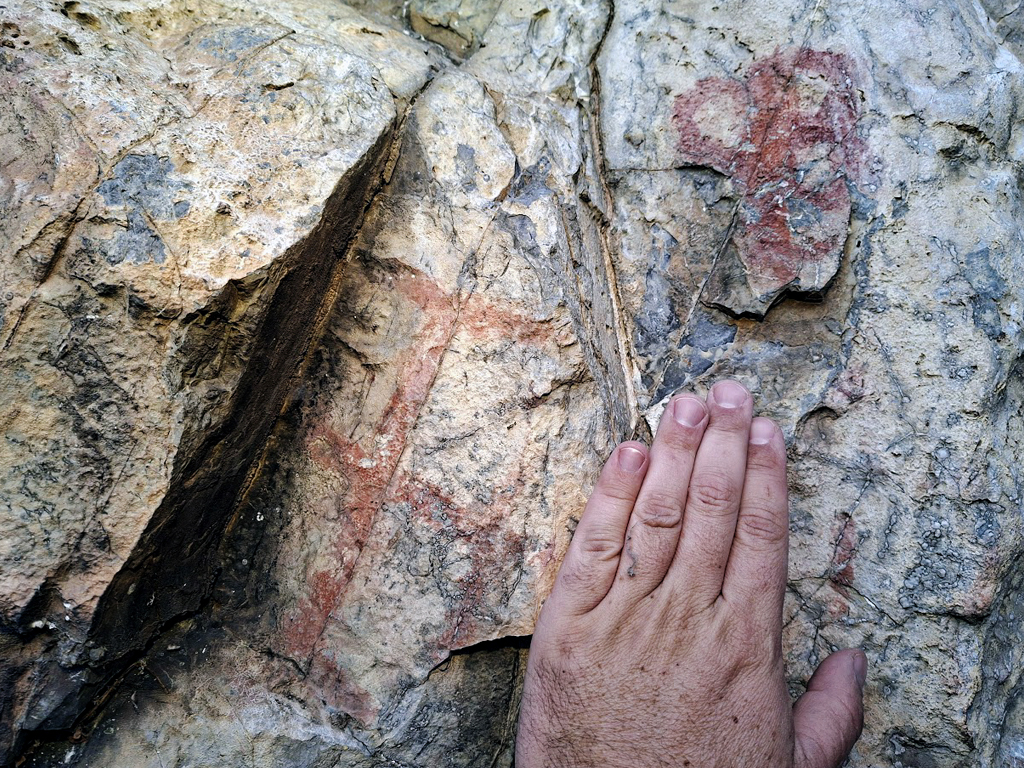
Documentation of rare red ochre rock paintings. Sample collection for chemical analysis under conservator supervision and archaeological tracing.
Packing, equipment return, travel logistics planning, and celebratory farewell dinner with the entire team and instructors.
Living Conditions at Base Camp
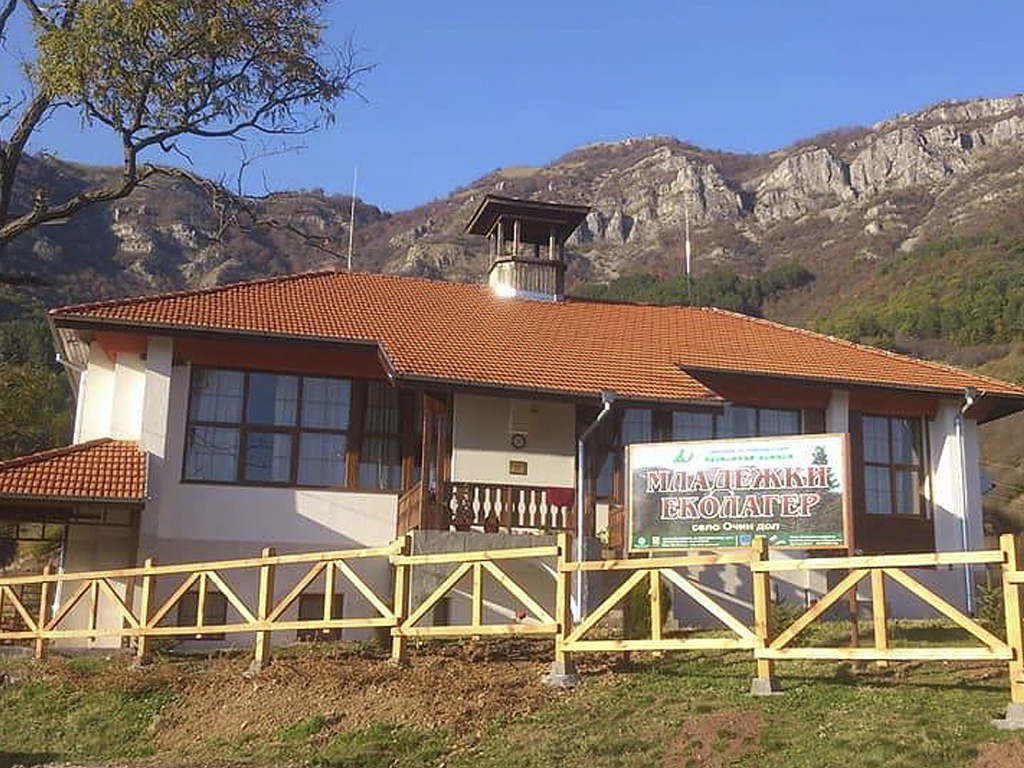
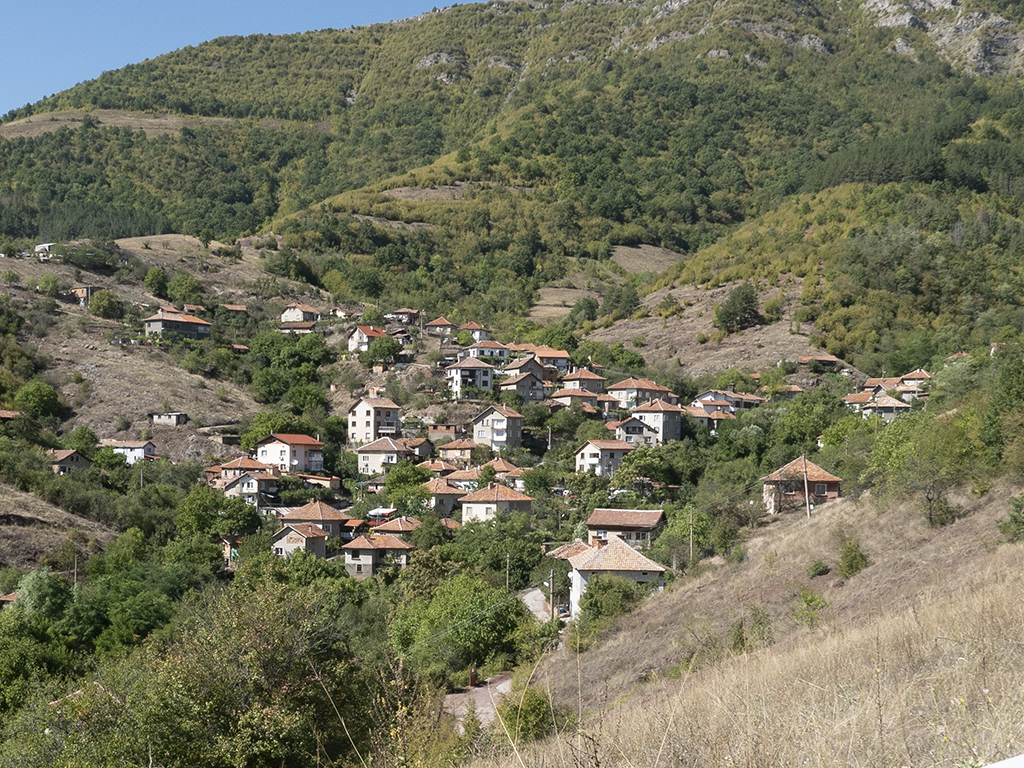
Accommodation for students and the research team is provided at the Youth Eco Camp in the village of Ochin Dol. The camp is situated in a picturesque area of the Balkan Mountains, approximately in the geographic center of the research region.
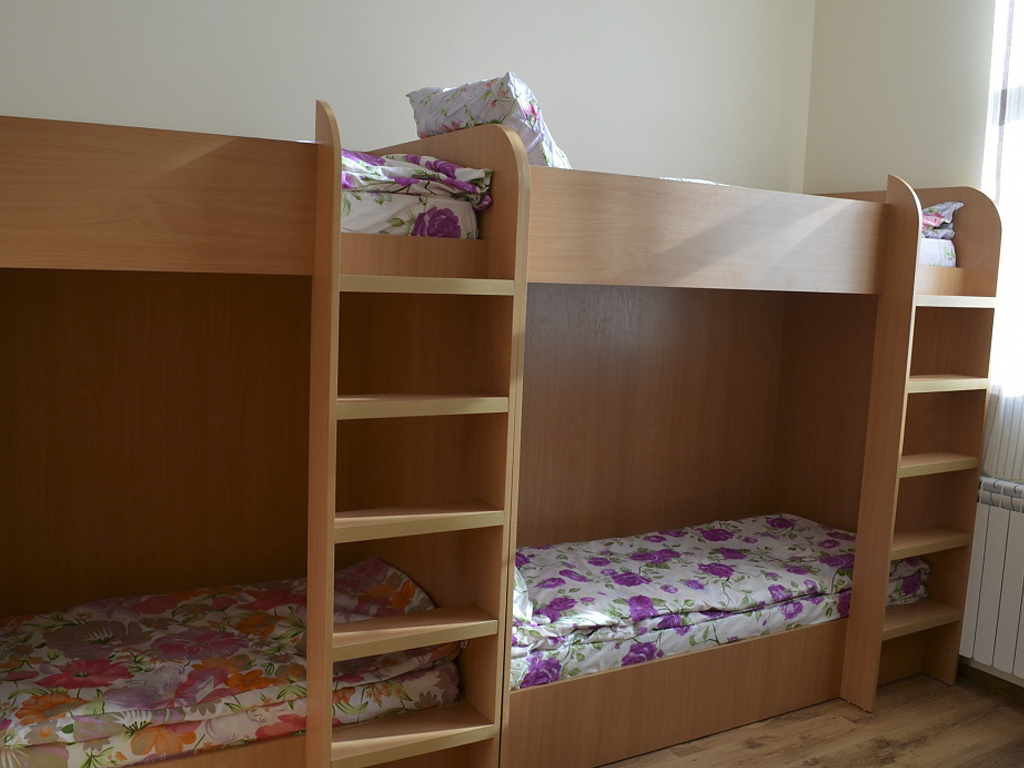
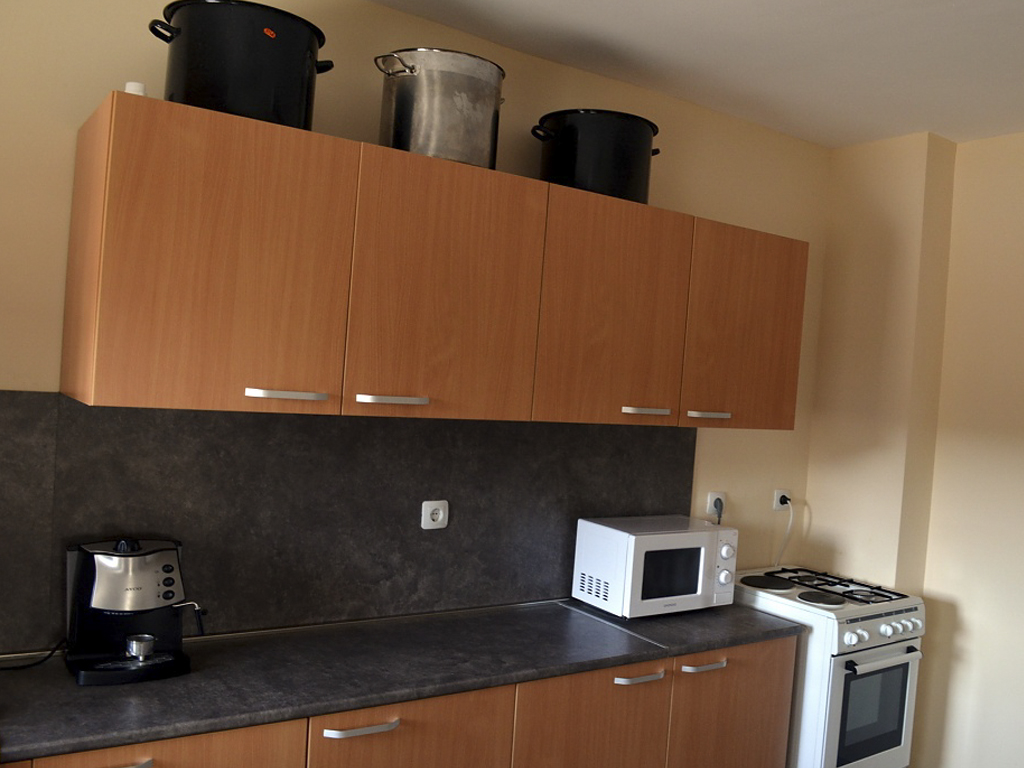
The camp offers well-maintained rooms with several beds, each equipped with a private bathroom. The facility features a shared kitchen and a fully equipped activity room with a presentation screen, multimedia equipment, and computers.
Meals are prepared on-site by camp staff using fresh, locally produced environmentally friendly products from the village. During long field expeditions, packed lunches and bottled drinking water are provided.
Youth Eco Camp & Living Environment Gallery
Free Time & Local Attractions
The Iskar Gorge is one of the most scenic and diverse tourist regions in Bulgaria, combining spectacular natural landscapes with a rich historical and archaeological heritage. The valley offers excellent conditions for hiking, cycling, rock climbing, caving, rafting, and exploring natural landmarks.
Students can explore the Vrachanski Balkan Nature Park, Lakatnik Rocks, Ritlite, Temnata Dupka (one of the longest cave systems in Bulgaria), and local medieval fortresses during their free days.
How to Get to Base Camp
Participants are responsible for arranging their international transportation to Bulgaria. The team provides continuous support and guidance for journey planning.
- Arrival Date: June 19, 2027
- Departure Date: July 9, 2027
- Meeting Point: Zverino Railway Station (100 km / ~1 hour train from Sofia Central Station).
- From Zverino station, team vehicles will pick up all participants and transport them directly to Ochin Dol base camp.
Expenses & Discounts
✅ Participation Fee Includes:
- • Full accommodation & meals for 20 days
- • Transportation on working days to research sites
- • All tools, materials & equipment for training
- • Lectures, practical sessions & seminars
- • Logistics & organizational management
❌ Fee Does Not Include:
- • International flight/travel costs
- • Personal museum entry tickets
- • Medical & travel insurance
- • Visa fees (EUR 250 extra if visa support needed)
- • Restaurants or alcoholic beverages outside meal plan
| Option / Category | Discount | Price |
|---|---|---|
| One Session (20 days) | Standard Rate | € 2949 |
| Super Early Registration (until Nov 30, 2026) | 15 % | € 2507 |
| Early Registration (until Dec 31, 2026) | 5 % | € 2802 |
| Group Registration (>2 participants) | 10 % | € 2654 |
* Discounts are not cumulative. Participants eligible for multiple discounts may choose the single highest discount.
Field School Application Form
Complete the form below to reserve your place. A 30% non-refundable deposit is required upon approval.